The TTM Squeeze Channel
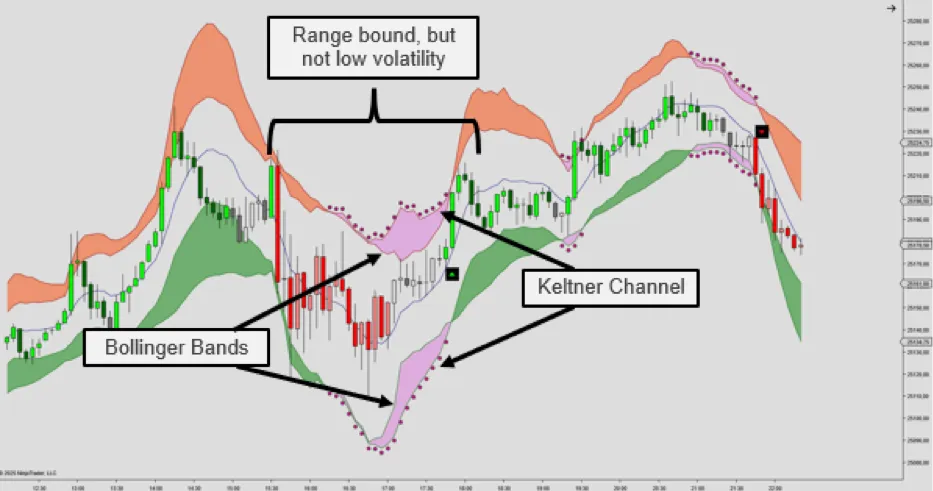
A frequently discussed volatility setup is the TTM Squeeze, which occurs during periods of low volatility and price consolidation. In this Indicator Spotlight, we’ll revisit the concept as described by John F. Carter’s in Mastering the Trade. We’ll explain how it differs from the classic Bollinger on Bollinger Bands® approach, and then show how the…
Revisited: Trading the Opening Range
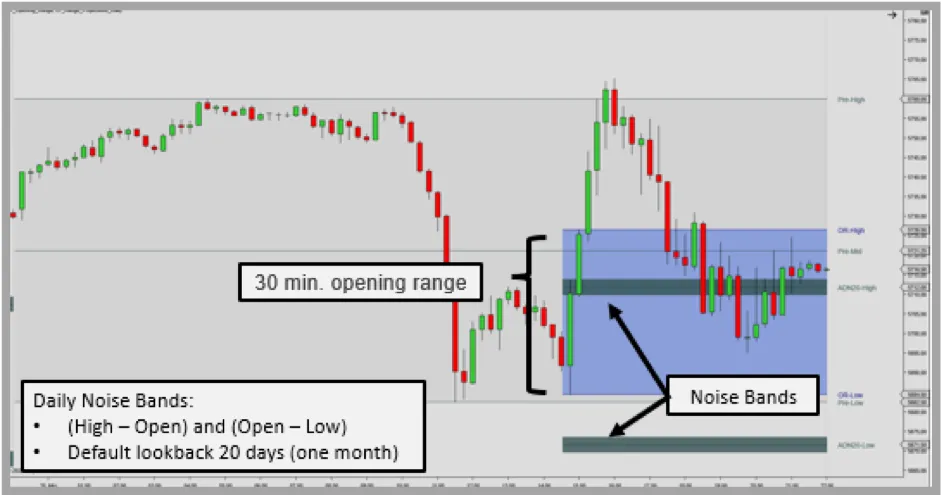
In this post, we revisit a classic trade setup, namely the opening range breakout. It is a popular and frequently discussed trading approach and it is easy to grasp and straightforward to manage. Traditionally, the opening range is established by finding the highest and lowest price of a security during the first minutes of the…
Spot price reversals with the SMI indicator

In this Spotlight post we’re looking at the Stochastic Momentum Index (a.k.a. the SMI indicator) by William Blau. The general idea behind stochastic studies is to use momentum falloffs to predict price reversals. To paraphrase George Lane, the developer of the original Stochastics study, one may compare the phenomenon to a rocket going up in…
Regression Channel REVISITED – with Bloodhound Tutorial
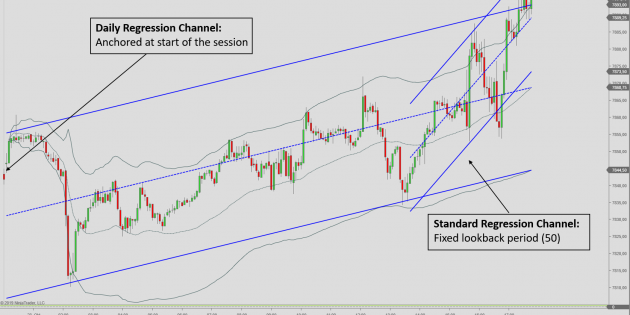
The LizardIndicators Linear Regression Channel indicator comes with significant improvements vs. the standard version that comes with NinjaTrader 8.
The King of Camarilla Pivots
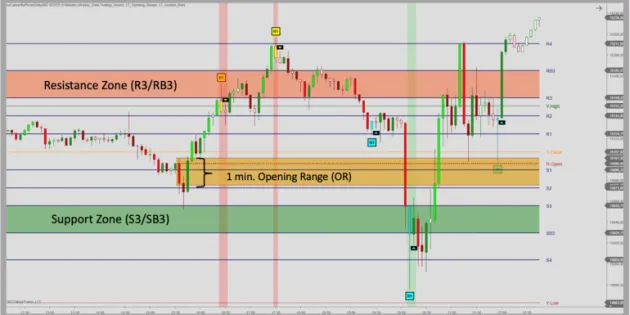
An air of mystery surrounds the Camarilla Pivots. However, the method for applying this trading approach is quite simple. To learn more about the Camarilla Pivots, a.k.a. Camarilla Points, watch the video or continue reading below: First, why is there an air mystery surrounding the Camarilla Pivots? A likely culprit is the meaning behind the…
Coral Trend Slope vs. Volatility Channel
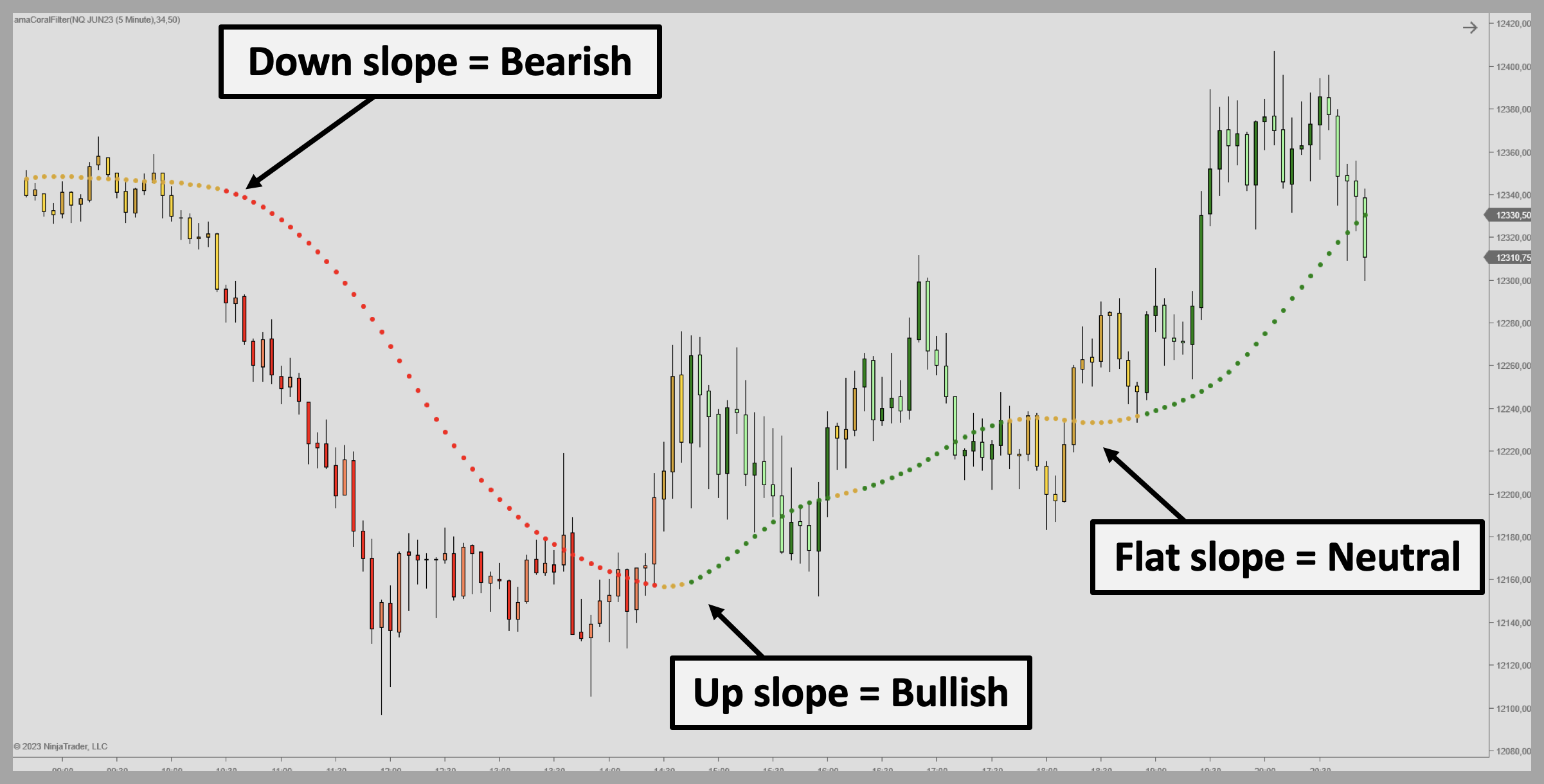
The Coral Filter is a linear combination of moving averages, all obtained by a triple or higher order of exponential smoothing. To learn more about the Coral Filter, a.k.a. Coral Trend indicator, watch the video or continue reading below: As the name implies, it is a tool to determine trend bias, filtering out setups that…
TDI Indicator REVISITED – with Bloodhound Tutorial
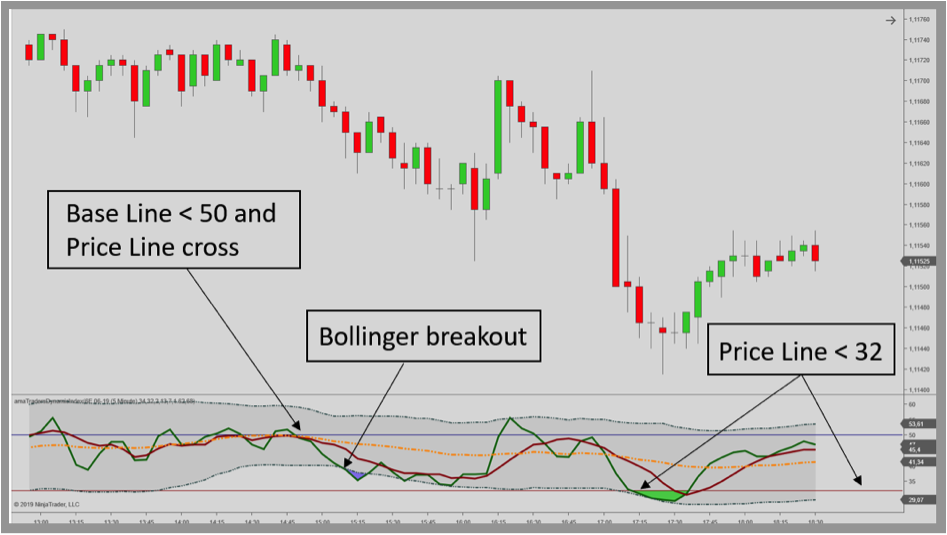
In this Indicator Spotlight, we’re looking at the Traders Dynamic Index (TDI), an indicator that combines the RSI in three (3) timeframes…
The ADXVMA Indicator and Adaptive Moving Averages
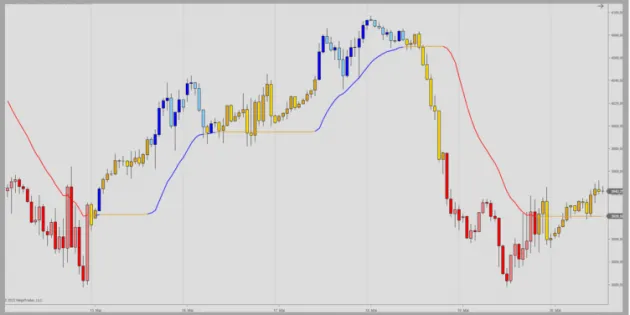
The ADXVMA indicator is an adaptive moving average and automatically responds to price volatility. Specifically, it follows price closely during trending markets whereas it is less sensitive during sideways action. To learn more about the ADXVMA indicator and adaptive moving averages, watch the video or continue reading below: Moving Averages vs. Adaptive Moving Averages Originally,…
SuperTrend: A Versatile Stop Loss
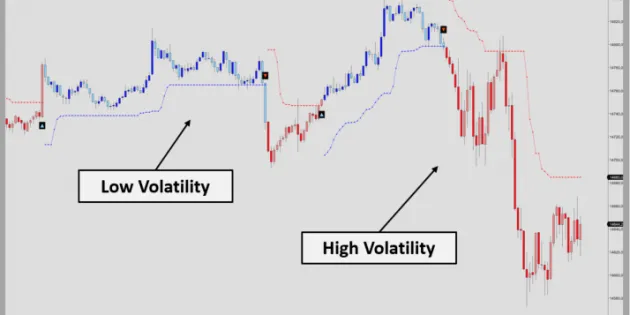
The SuperTrend indicator is an enhancement of the Maximum Adverse Excursion (MAE) concept, as introduced by John Sweeney in the mid-nineties. It is most commonly applied as a trailing stop indicator, adjusting to both prices and volatility. When volatility is high, the trailing stop is further away from prices. Conversely, when volatility is low, the…
The Quantitative Qualitative Estimation Indicator
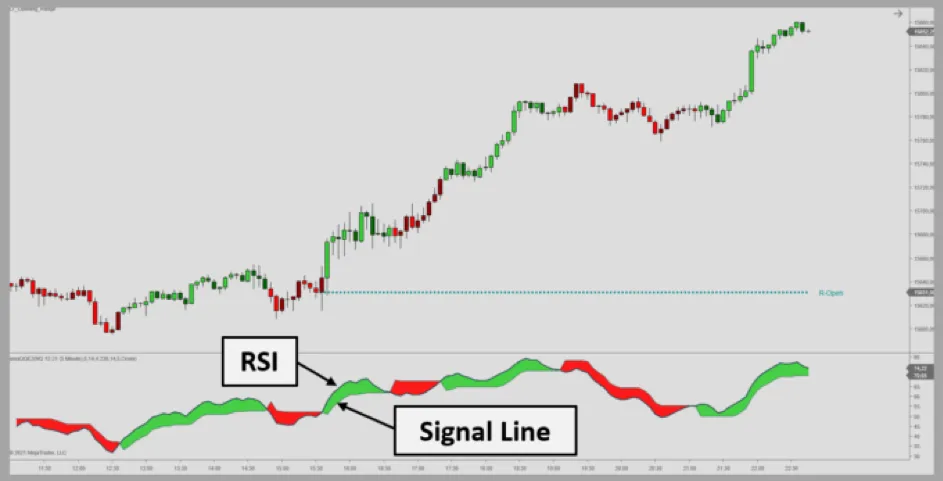
The Quantitative Qualitative Estimation ( QQE ) indicator is an offspring from Wilder’s famous Relative Strength Index ( RSI ). The base plot is an RSI smoothed over 5 periods supplemented by a signal line. The signal line is composed of a moving Average True Range (ATR). By smoothing the QQE and signal lines, the…